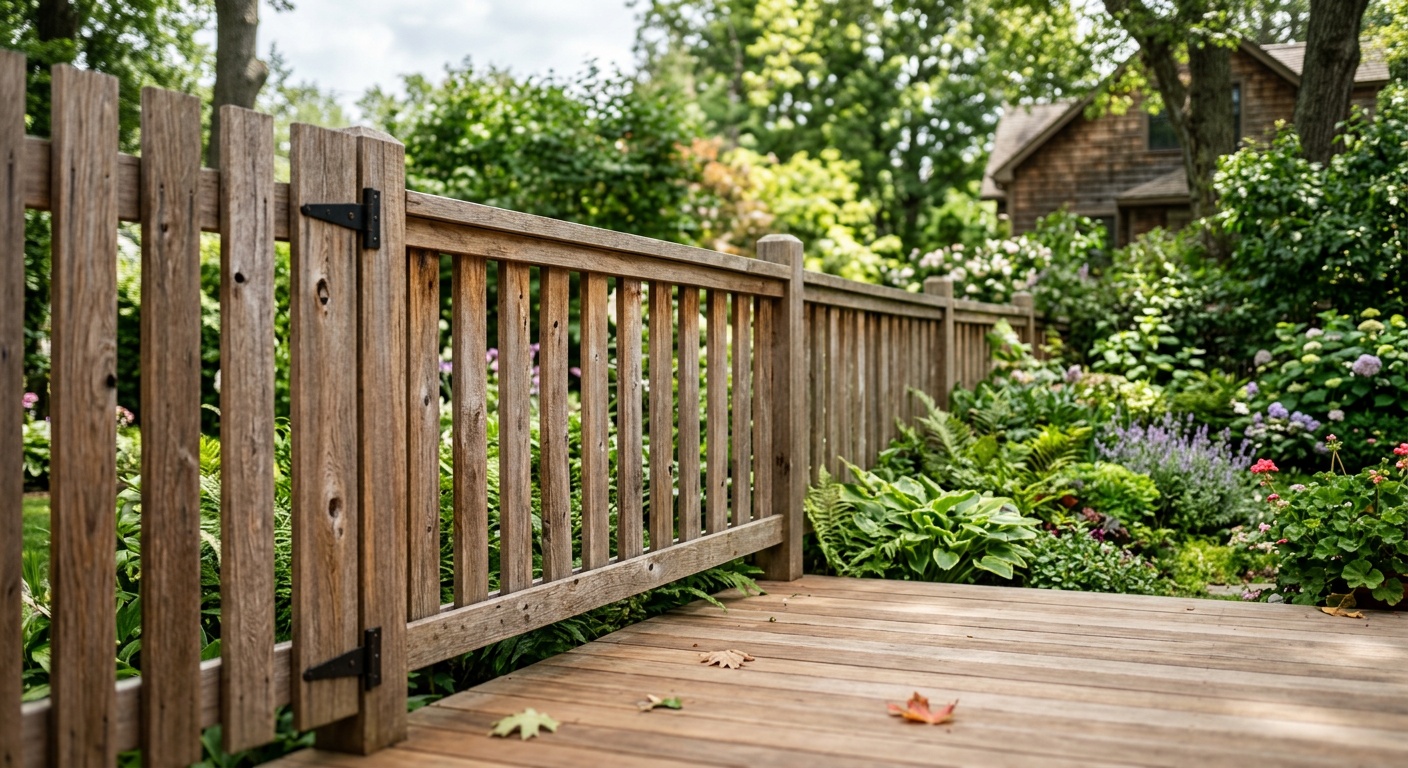
Does a New Deck or Fence Add Value to Your House
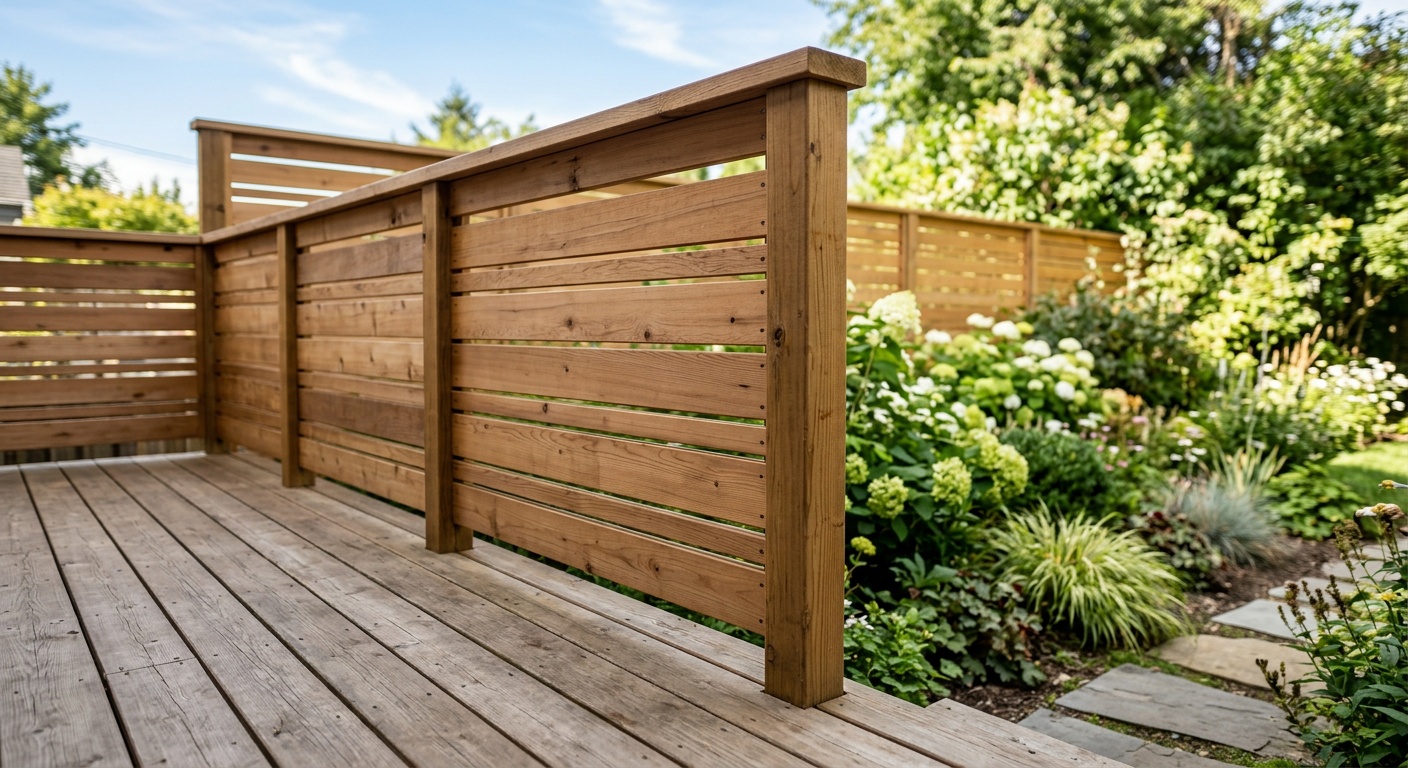
Does a New Deck or Fence Add Value to Your House?
Reading time: 12 minutes
Here’s a question every homeowner eventually asks: If I invest in a new deck or fence, will I actually get that money back when I sell? It’s a fair — and surprisingly nuanced — question. The short answer is yes, but with important caveats that could make or break your return on investment.
In 2026, outdoor living spaces have cemented their status as one of the hottest selling points in real estate. Post-pandemic lifestyle shifts permanently rewired how buyers think about homes. A backyard isn’t just a backyard anymore — it’s an extension of your living space, a private retreat, and increasingly, a deciding factor at the negotiation table.
Whether you’re planning to sell in six months or six years, or simply want to enjoy your home more right now, understanding the real financial impact of a deck or fence is essential before you pick up a hammer or hire a contractor. Let’s dig in.
Table of Contents
- Why Outdoor Improvements Matter More in 2026
- Deck ROI: What the Numbers Really Say
- Fence ROI: Security, Privacy, and Curb Appeal
- Deck vs. Fence: Side-by-Side Value Comparison
- ROI Visualization: Outdoor Projects at a Glance
- Real-World Examples That Prove the Point
- Common Challenges and How to Avoid Costly Mistakes
- Practical Tips to Maximize Your Investment
- Frequently Asked Questions
- Your Outdoor Investment Roadmap: Next Steps
Why Outdoor Improvements Matter More in 2026
The outdoor living market didn’t just survive post-pandemic — it exploded. According to the American Institute of Architects’ 2025 Home Design Trends Survey, outdoor living spaces ranked as the top requested feature for the third consecutive year, with 72% of architects reporting increased client demand for decks, patios, and enclosed outdoor rooms.
Meanwhile, the National Association of Realtors (NAR) reported in their 2025 Remodeling Impact Report that outdoor projects — including decks, fences, and landscaping — consistently rank among the top five improvements for both seller returns and buyer satisfaction scores. In a tighter 2026 housing market where inventory remains constrained in most major metros, buyers are being pickier than ever. A well-designed outdoor space isn’t just a bonus — it’s often a tiebreaker.
Well, here’s the straight talk: Not all outdoor improvements are created equal. A poorly built pressure-treated pine deck bolted to a 1990s ranch house won’t command the same premium as a composite deck with built-in lighting on a suburban family home in a hot market. Context is everything — and that’s exactly what this guide is here to help you navigate.
The Buyer Psychology Behind Outdoor Spaces
Modern buyers are doing sophisticated cost-benefit analysis in their heads as they walk through a property. When they see a quality deck or a clean, sturdy fence, they’re mentally calculating: What would it cost me to add this later? If the answer is “a lot,” that outdoor feature translates directly into perceived value and negotiating leverage for the seller.
In 2026, the average cost to build a mid-range deck from scratch runs between $15,000 and $35,000, depending on materials, size, and local labor rates. A quality wood or vinyl fence installation typically ranges from $3,500 to $12,000. These are not trivial numbers. When a buyer sees those features already done — and done well — they’re relieved. That relief shows up in offers.
Deck ROI: What the Numbers Really Say
Let’s get into the hard data — because opinions are plentiful, but numbers tell the real story.
Remodeling Magazine’s 2025 Cost vs. Value Report (the most authoritative annual benchmark for home improvement ROI) found that a wood deck addition returned approximately 82.9% of its cost at resale on a national average. That figure climbed to nearly 91% in hot markets like Austin, Denver, and Raleigh. A composite deck addition — think Trex or TimberTech — returned around 68.2% nationally, reflecting the higher upfront cost of composite materials.
Now, here’s where many homeowners get confused. A lower percentage ROI doesn’t necessarily mean composite is a worse choice. It simply means you’re paying more for better durability and lower maintenance — and you may recoup that value through years of enjoyment before you ever sell. The “right” deck material depends on your timeline, your market, and your lifestyle.
Wood vs. Composite: The ROI Trade-Off
Pressure-treated wood decks are cheaper to build (average $18,000–$22,000 for a 16×20 deck in 2026), recover faster at resale in percentage terms, but require regular maintenance — staining, sealing, and occasional board replacement. If you’re selling within 2–3 years, a wood deck may actually be the smarter financial play.
Composite decks cost more upfront ($28,000–$38,000 for comparable size) but offer 25–30 year lifespans with minimal maintenance. If you plan to live in your home for 7–10 years before selling, composite’s durability means it’ll still look great when listing day comes — which is a powerful selling point that savvy agents know how to leverage.
Pro Tip: Add built-in features strategically. Integrated lighting, a pergola, or a built-in seating area can push perceived value well above material cost — especially in markets where buyers are comparing your listing to similarly priced homes with plain concrete patios.
Fence ROI: Security, Privacy, and Curb Appeal
Fences are a different animal from decks. They serve multiple functions — privacy, security, pet containment, aesthetic definition — and buyers value each of those functions differently depending on their circumstances.
The NAR’s 2025 data suggests that a new fence installation returns between 50–75% of its cost at resale, with wide variation based on material, condition, and neighborhood norms. That range might sound disappointing compared to decks, but it misses a critical point: fences can make or break a sale for certain buyer segments.
Families with young children and dog owners — two of the most motivated buyer demographics in 2026 — frequently eliminate homes from their list simply because they lack a fenced yard. In those cases, a fence doesn’t just add value; it removes a deal-killer. That’s a distinction the percentage-based ROI numbers can’t fully capture.
Choosing the Right Fence Material for Maximum Return
Not all fences are treated equally by buyers or appraisers. Here’s a quick breakdown:
- Wood privacy fence: Most popular, strong curb appeal, returns 60–70% at resale. Requires maintenance. Works well in suburban neighborhoods.
- Vinyl fence: Low maintenance, clean look, returns 55–65%. Higher upfront cost but lasts longer. Increasingly favored in HOA communities.
- Aluminum or wrought iron: Decorative and durable, returns 50–65%. Adds significant curb appeal in upscale neighborhoods but provides less privacy.
- Chain link: Functional but rarely adds aesthetic value. Returns 30–50%. Best suited for utilitarian applications or specific markets.
- Split rail: Charming in rural/semi-rural settings, low cost, returns 45–55%. Limited privacy but strong visual character.
Quick Scenario: Imagine you’re listing a 3-bedroom home in a suburban neighborhood where most houses already have fenced yards. Your property doesn’t. That absence stands out — and not in a good way. A $6,000 wood privacy fence installation in that scenario could easily be the difference between two competing offers, or between an asking-price offer and a lowball.
Deck vs. Fence: Side-by-Side Value Comparison
| Metric | Wood Deck | Composite Deck | Wood Privacy Fence | Vinyl Fence |
|---|---|---|---|---|
| Avg. Install Cost (2026) | $18,000–$22,000 | $28,000–$38,000 | $4,000–$8,000 | $5,500–$11,000 |
| Avg. National ROI | ~83% | ~68% | ~65% | ~60% |
| Lifespan | 10–15 years | 25–30 years | 10–20 years | 20–30 years |
| Maintenance Level | High (annual) | Low (occasional) | Medium (every 2–3 yrs) | Very Low |
| Buyer Appeal Score | ★★★★☆ | ★★★★★ | ★★★★☆ | ★★★★☆ |
ROI Visualization: Outdoor Projects at a Glance
How do decks and fences stack up against other popular home improvements? Here’s a quick visual comparison of average national ROI percentages based on 2025 Cost vs. Value data:
Source: Remodeling Magazine Cost vs. Value Report 2025 | National Averages
Real-World Examples That Prove the Point
Case Study 1: The Denver Deck That Closed the Deal
In spring 2025, a homeowner in Lakewood, Colorado (a Denver suburb) listed their 4-bedroom home at $685,000. Comparable homes in the neighborhood — similar square footage, same school district — were listing between $650,000 and $670,000. The differentiator? A 400-square-foot composite Trex deck with built-in LED lighting, a pergola, and a gas fire pit hookup, installed in 2023 for approximately $41,000.
The home received three offers in the first weekend. It sold for $712,000 — $27,000 over asking and well above neighborhood comps. The listing agent, quoted in a local Denver real estate blog, noted: “The deck wasn’t just a feature — it was the reason buyers could picture themselves living there. Outdoor entertaining space in Colorado is worth its weight in gold.”
While not every deck story ends quite this dramatically, the principle holds: a quality outdoor space that fits the market and the buyer demographic can meaningfully move the needle.
Case Study 2: The Fence That Unlocked a Buyer Pool
Contrast that with a 3-bedroom home in a family-friendly suburb of Nashville, Tennessee. The property sat on the market for 47 days in late 2024 — unusual for that market. After feedback from multiple showings revealed that buyers with dogs and young children were passing because the backyard lacked a fence, the sellers made a $5,800 investment in a 6-foot cedar privacy fence.
The home sold within 11 days of being relisted, at full asking price of $398,000. The fence cost was rolled into seller closing costs as a minor concession, and the sellers netted roughly $3,500 more than they would have through further price reductions — all from a project that took four days to install. Sometimes, it’s not about adding luxury. It’s about removing objections.
Common Challenges and How to Avoid Costly Mistakes
Challenge 1: Over-Building for Your Neighborhood
This is the single most common mistake homeowners make with outdoor improvements. Real estate professionals call it “over-improvement” — and it can result in a project that never fully pays back. If the average home in your neighborhood sells for $320,000 and you invest $45,000 in an elaborate multi-level deck with an outdoor kitchen, you’re likely to recover far less than if you’d built a modest $18,000 deck. Appraisers and buyers anchor their perception of value to the surrounding market. You cannot “out-deck” your neighborhood’s price ceiling.
Solution: Research comparable sales (comps) in your specific ZIP code. Ask a local real estate agent — ideally one who specializes in your area — what outdoor features are common in homes at your target price point, and build to match, not exceed.
Challenge 2: Ignoring Permit Requirements
In 2026, building codes and permit requirements for decks and fences have become more stringent in many municipalities, particularly around structural safety, setback requirements, and HOA compliance. An unpermitted deck or fence discovered during the inspection process can derail a sale, require expensive remediation, or expose sellers to liability.
Solution: Always pull the appropriate permits before breaking ground. Yes, it adds 2–4 weeks and some paperwork. But a permitted, code-compliant structure is a selling asset; an unpermitted one is a liability. Check your local HOA rules as well — many have specific requirements on fence height, material color, and gate placement.
Challenge 3: Poor Timing and Condition at Sale
A deck or fence installed poorly — or not maintained between installation and listing — can actually hurt your sale rather than help it. Buyers performing home inspections in 2026 are working with increasingly sophisticated inspectors who know what to look for: rotting wood, failing posts, improper flashing where a deck meets the house, and unstable fence posts are all red flags that buyers use to negotiate price reductions.
Solution: Budget for refresh costs before listing. Even a $500–$1,500 power wash, restain, and minor repair project can transform a weathered deck into a showstopper. First impressions in real estate are formed within seconds — and the backyard is often the second space buyers assess after the kitchen.
Practical Tips to Maximize Your Investment
Ready to take action? Here’s a practical roadmap for making smart outdoor improvement decisions:
- Consult before you build. Spend $200–$400 on a pre-project consultation with a local real estate agent or certified home appraiser. They can tell you exactly what buyers in your market are willing to pay for. This small investment can save you thousands.
- Match materials to your market. Composite decks in upper-end markets. Pressure-treated wood in mid-range suburban neighborhoods. Vinyl fencing in HOA communities. Material selection signals quality — or misalignment — to buyers instantly.
- Don’t overlook landscaping integration. A beautiful deck surrounded by dead grass and overgrown shrubs loses half its impact. Budget for basic landscaping around your new structure. Clean mulch beds, defined borders, and a few plantings add disproportionate visual value.
- Invest in lighting. Deck lighting — whether solar post caps, string lights, or integrated LED strips — adds evening appeal that photographs beautifully for listings and makes buyers emotionally connect with the space. Cost: $200–$800. Impact: significant.
- Get multiple contractor quotes. In 2026, contractor pricing varies by 20–35% for the same project depending on the company. Get at least three quotes, check licenses and insurance, and review recent work. The cheapest bid often signals corners that will be cut.
- Time your project strategically. If you’re installing for resale, aim to complete projects 3–6 months before listing. This gives the structure time to settle, allows you to address any minor issues, and ensures everything looks fresh — not brand new and suspicious — at listing time.
Frequently Asked Questions
Does a deck or fence increase the appraised value of my home?
Yes, but the degree depends on local market conditions, material quality, and the appraiser’s comparative analysis. Decks and fences are considered “contributory value” items — meaning appraisers assess their value based on what similar features contribute to comparable sales in your area. A well-built, well-maintained wood deck in a market where most homes have similar features can add $10,000–$20,000 to an appraised value. However, appraisers rarely assign dollar-for-dollar value equal to installation cost, which is why ROI percentages are typically below 100%.
Will a fence increase my property value if my neighbors already have fences?
Absolutely — and in many cases, it’s even more critical. In neighborhoods where fenced yards are the norm, an unfenced property stands out as deficient rather than neutral. Buyers mentally subtract the cost of future fence installation from their offer price, often overestimating that cost. By installing a fence that matches neighborhood standards, you remove that mental deduction and bring your property to competitive parity. In tightly competitive markets, that parity directly translates to stronger offers and shorter days on market.
Is it better to build a deck or fence if I can only afford one improvement before selling?
It depends entirely on your specific situation, but a useful framework is this: if your property already has decent curb appeal and the backyard has good bones, a deck typically delivers a stronger ROI and broader buyer appeal — particularly in markets where outdoor entertaining is culturally valued. However, if your property lacks a fence in a neighborhood where most homes have one, or if your target buyer demographic (families with kids and pets) strongly prioritizes fenced yards, then a fence may deliver superior impact per dollar spent. When in doubt, consult a local real estate professional who knows your specific market dynamics.
Your Outdoor Investment Roadmap: Next Steps
Here’s the bottom line, stated plainly: Yes, both decks and fences can meaningfully add value to your home — but only when the right project is built at the right quality level for the right market. Blindly investing in either without that context is how homeowners end up disappointed at closing.
Here’s your action-oriented roadmap:
- Assess your market first. Walk comparable homes for sale in your neighborhood this weekend. Note which ones have decks or fences. Look at how quickly they’re selling and at what price. That’s your real-world benchmark.
- Set a clear goal. Are you building for personal enjoyment, for resale value, or both? Your answer should drive every material and design decision. Enjoyment-focused projects justify higher spend; resale-focused projects demand discipline and market alignment.
- Get professional input before budgeting. A 30-minute conversation with a seasoned local real estate agent or appraiser before you sign a contractor quote can save you from a five-figure mistake.
- Plan for maintenance. Whatever you build, build a maintenance schedule alongside it. A deck or fence that’s installed beautifully but neglected for five years becomes a liability, not an asset.
- Document everything. Keep all permits, receipts, warranties, and contractor information organized. Buyers and their agents will ask, and having a clean paper trail signals responsible homeownership — which builds trust and protects your asking price.
As outdoor living continues to shape buyer preferences through 2026 and beyond, the gap between homes with quality outdoor spaces and those without is only widening. The homeowners who understand this dynamic — and invest thoughtfully — are the ones who win at the negotiating table.
So here’s the question worth sitting with: What’s the one outdoor improvement that would make you genuinely love your home more right now — and how much of that investment might come back to you when it matters most?